Join Us to Unlock the Intelligence Layer for Your Business atCommunity Summit North America
Booth #1919
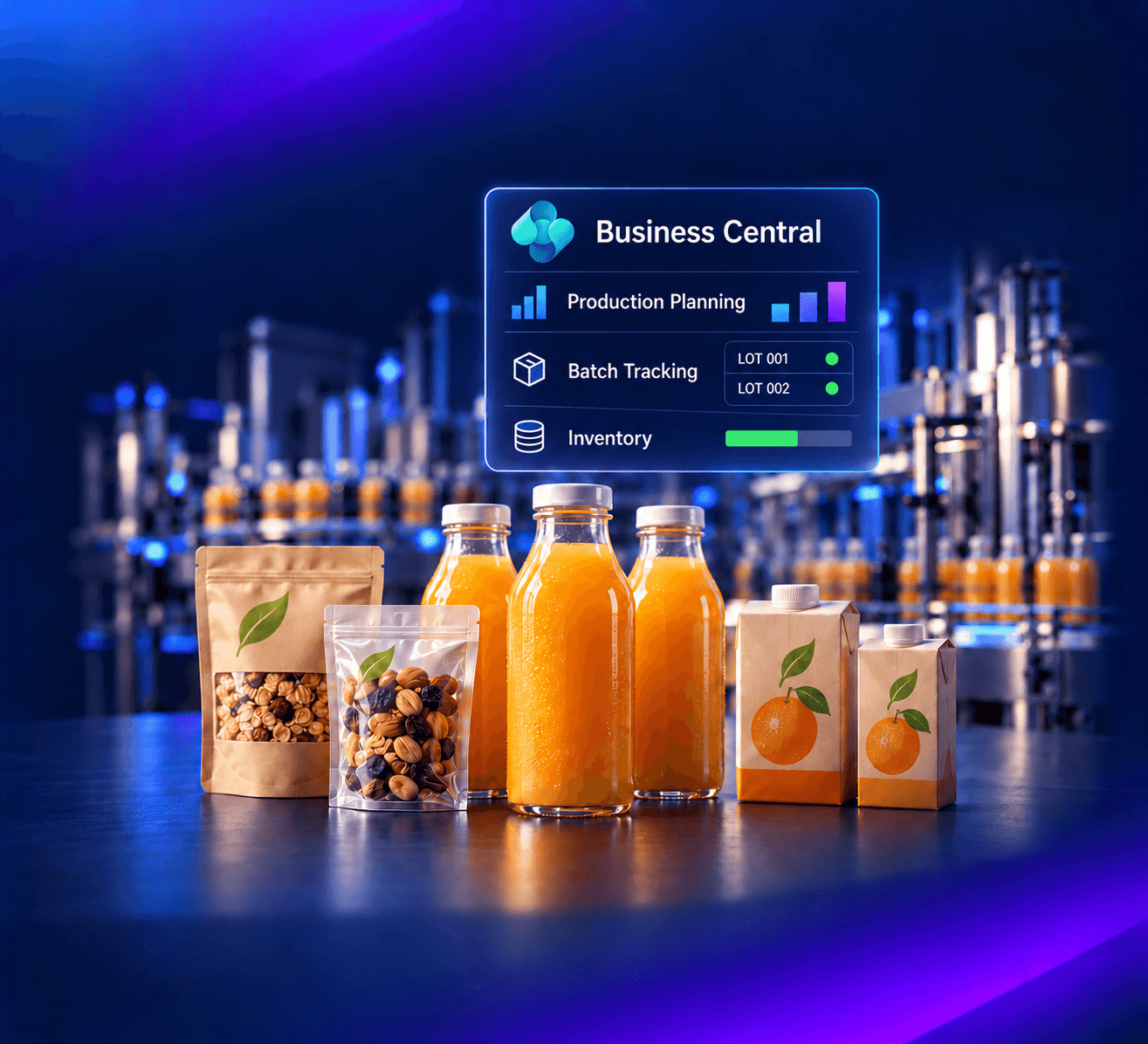
Food and beverage companies operate under a unique combination of pressures that generic ERPs were never designed to handle. Ingredients expire. Batches vary. A single allergen error or traceability gap can trigger a recall that costs more than a year's profit. The challenge compounds with scale: more SKUs, more suppliers, more production lines, more regulatory jurisdictions, and customers who expect faster delivery, lower prices, and complete transparency about what is in the products they buy. Three forces are making connected, food-specific ERP essential:
Regulatory bodies worldwide require full lot genealogy from raw ingredient to finished product. FDA FSMA 204, FSSAI mandates, EU food safety regulations, and retailer-imposed standards all demand that manufacturers and distributors trace any ingredient forward to every customer and backward to every supplier within hours, not days. An ERP that cannot do this creates compliance risk that a spreadsheet cannot fix.
Food and beverage margins are among the thinnest in manufacturing. Ingredient spoilage, overproduction, yield variability, and poor shelf-life management compound into significant losses. Without real-time visibility into batch yields, expiry dates, and inventory rotation, waste is discovered in write-offs, not prevented in operations.
Multi-supplier sourcing, seasonal ingredient availability, volatile raw material pricing, cold chain requirements, and multi-channel distribution to retailers, food service, and direct-to-consumer channels create a level of supply chain complexity that disconnected tools cannot manage. Every manual handoff between purchasing, production, quality, warehousing, and shipping is a point of failure.
Dynamics 365 Business Central is a cloud-native, AI-ready ERP that connects recipe management, batch production, quality control, lot traceability, inventory management, distribution, and financial reporting into a single platform designed for food and beverage companies that need production-grade traceability without enterprise-grade complexity.
At its core, a food and beverage business runs on three things: what goes into the product, how it moves through production and distribution, and whether every batch can be traced from ingredient to customer. Business Central connects all three so every recipe, every batch, every shipment, and every cost posts to the same live system. Here is what that covers:
Food and beverage spans a wide range of businesses with different production methods, regulatory requirements, and distribution models. Business Central's production and supply chain framework adapts to each.
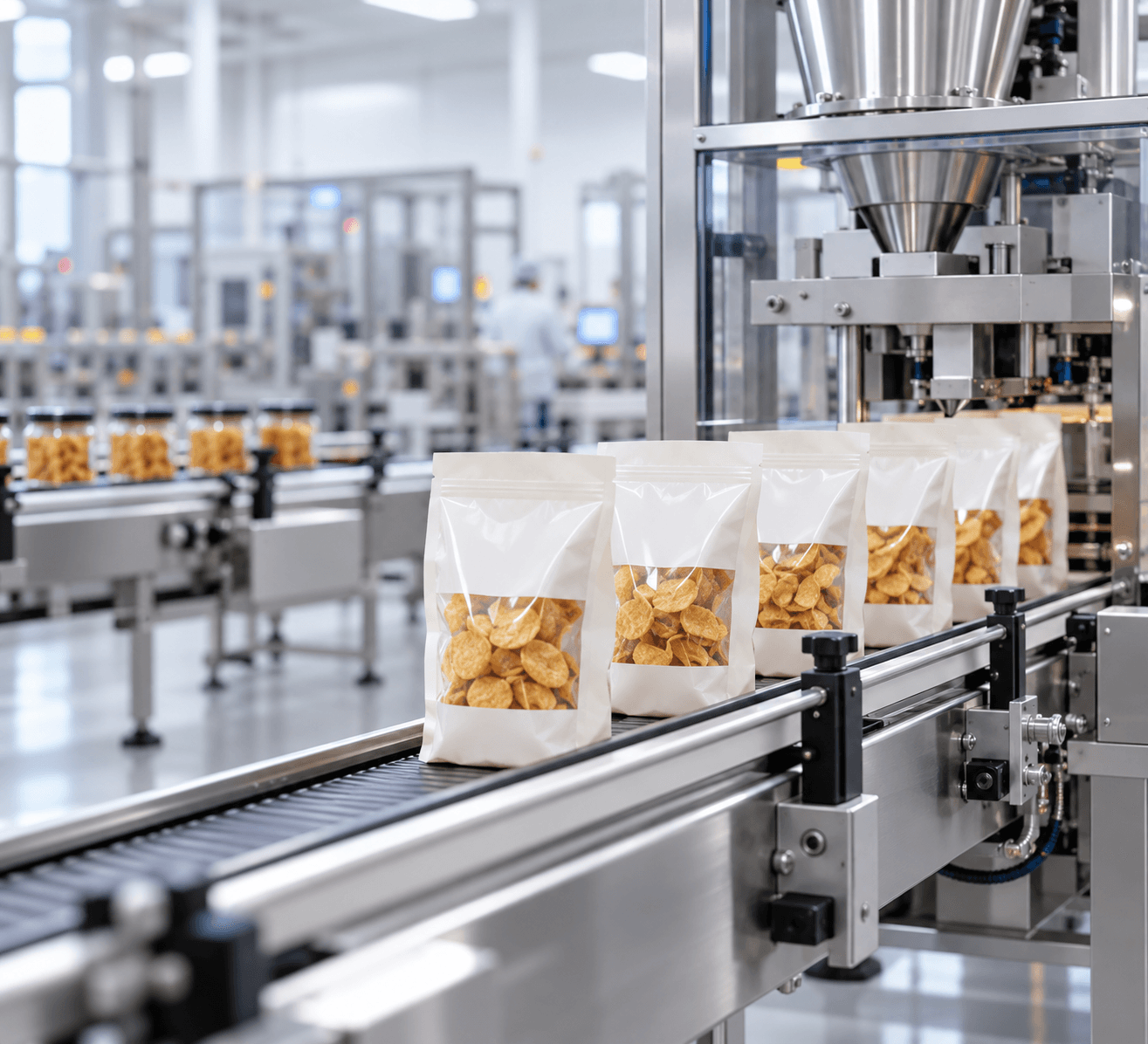
Manufacturers producing snacks, bakery products, confectionery, ready-to-eat meals, sauces, condiments, and other packaged food products use Business Central for recipe-based production, batch costing, shelf-life management, lot traceability, and multi-channel distribution to retail and food service customers.
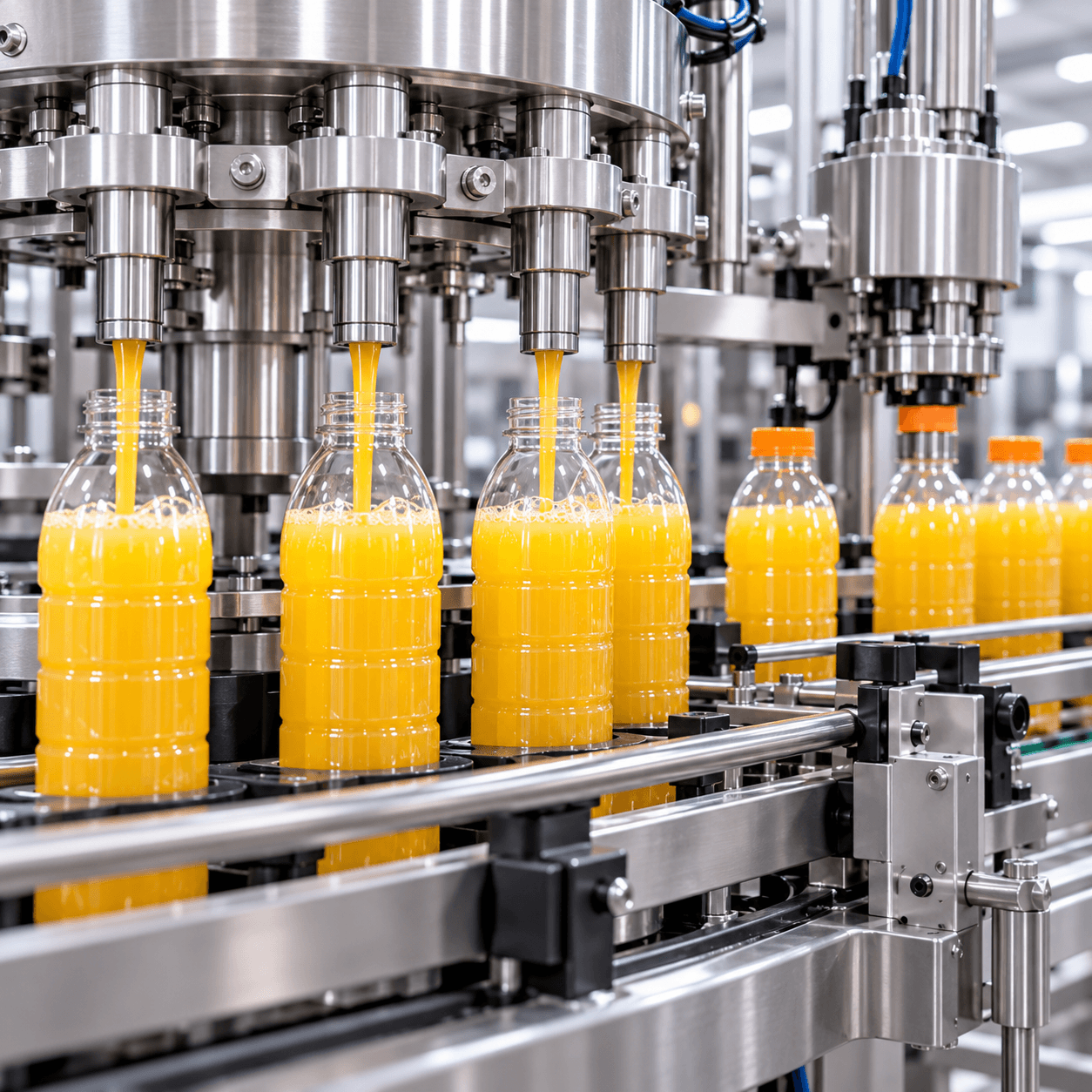
Producers of juices, soft drinks, dairy beverages, water, and alcoholic beverages use Business Central for formula scaling across batch sizes, bottling line scheduling, ingredient potency tracking, packaging variant management, and compliance with beverage-specific labeling and safety regulations.
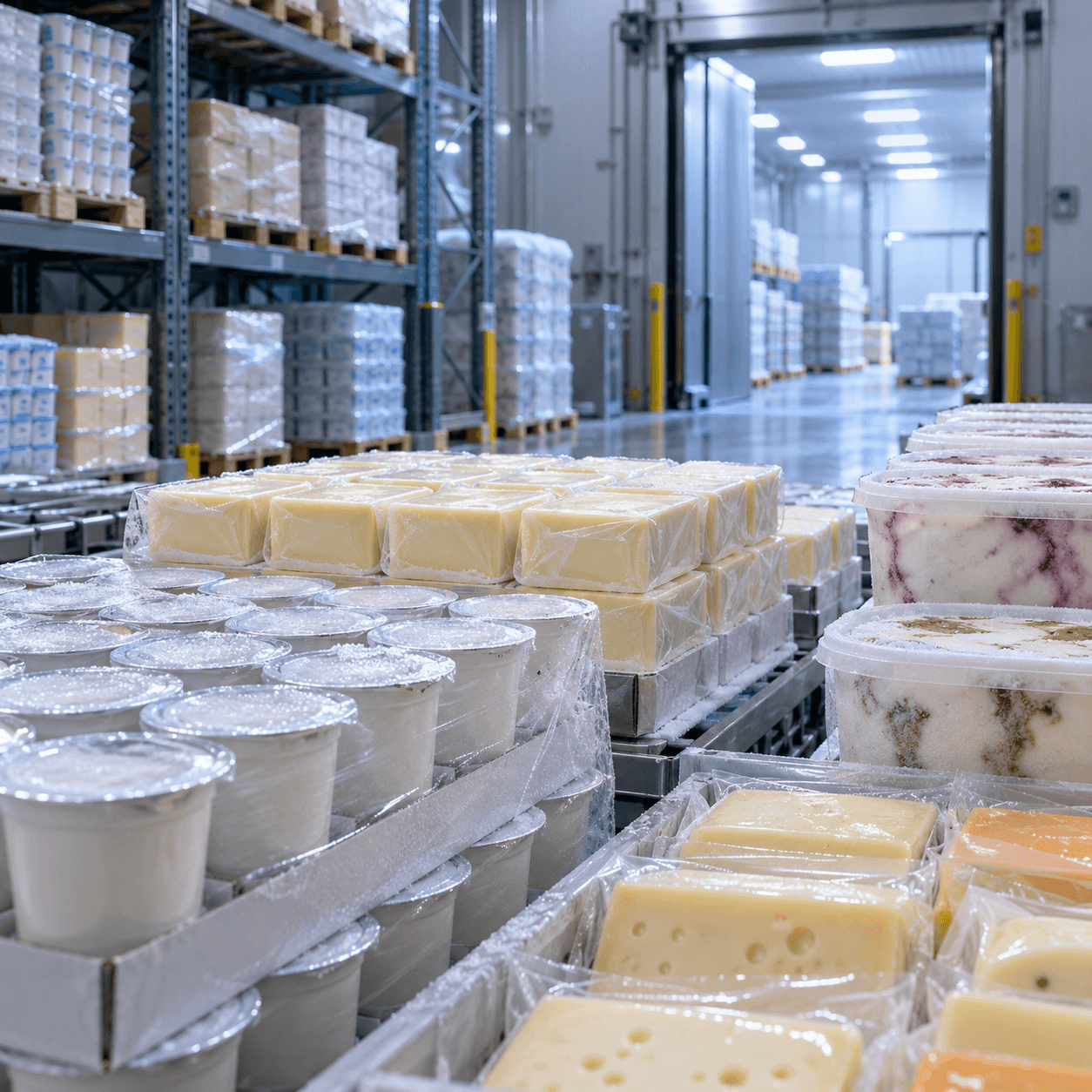
Dairy processors and frozen food manufacturers use Business Central for cold chain inventory management, shelf-life enforcement with FEFO picking, production yield tracking for variable-output processes like cheese making, and regulatory traceability for animal-origin products.
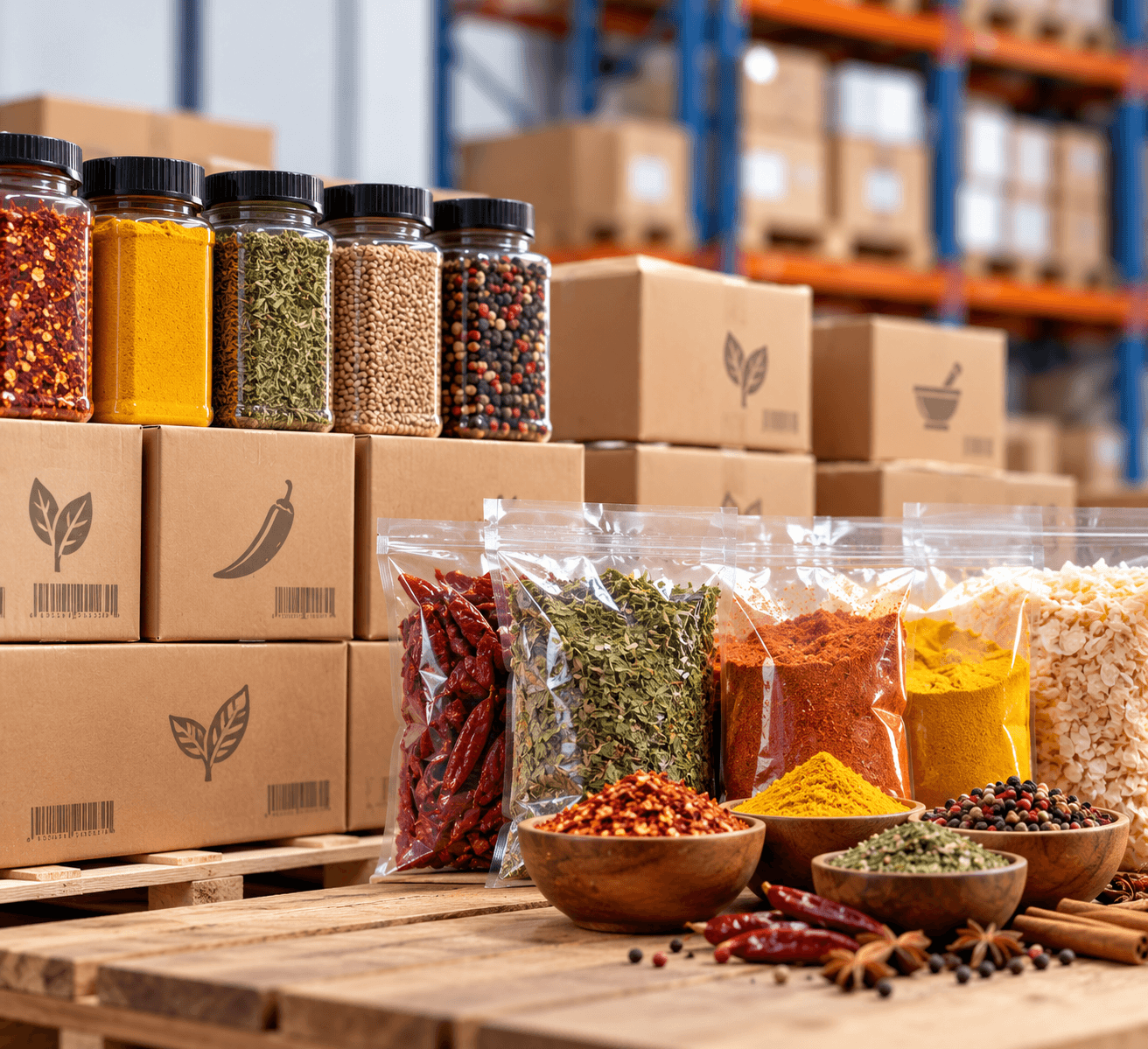
Companies producing spices, seasonings, flavor blends, and food ingredients for other manufacturers use Business Central for potency and grade tracking, custom blend recipe management, allergen documentation, bulk-to-retail packaging workflows, and export compliance documentation.

Bakeries and confectionery manufacturers use Business Central for recipe management with yield variability, ingredient scaling across batch sizes, production scheduling against daily or weekly demand, short shelf-life management, and route-based distribution to retail outlets.
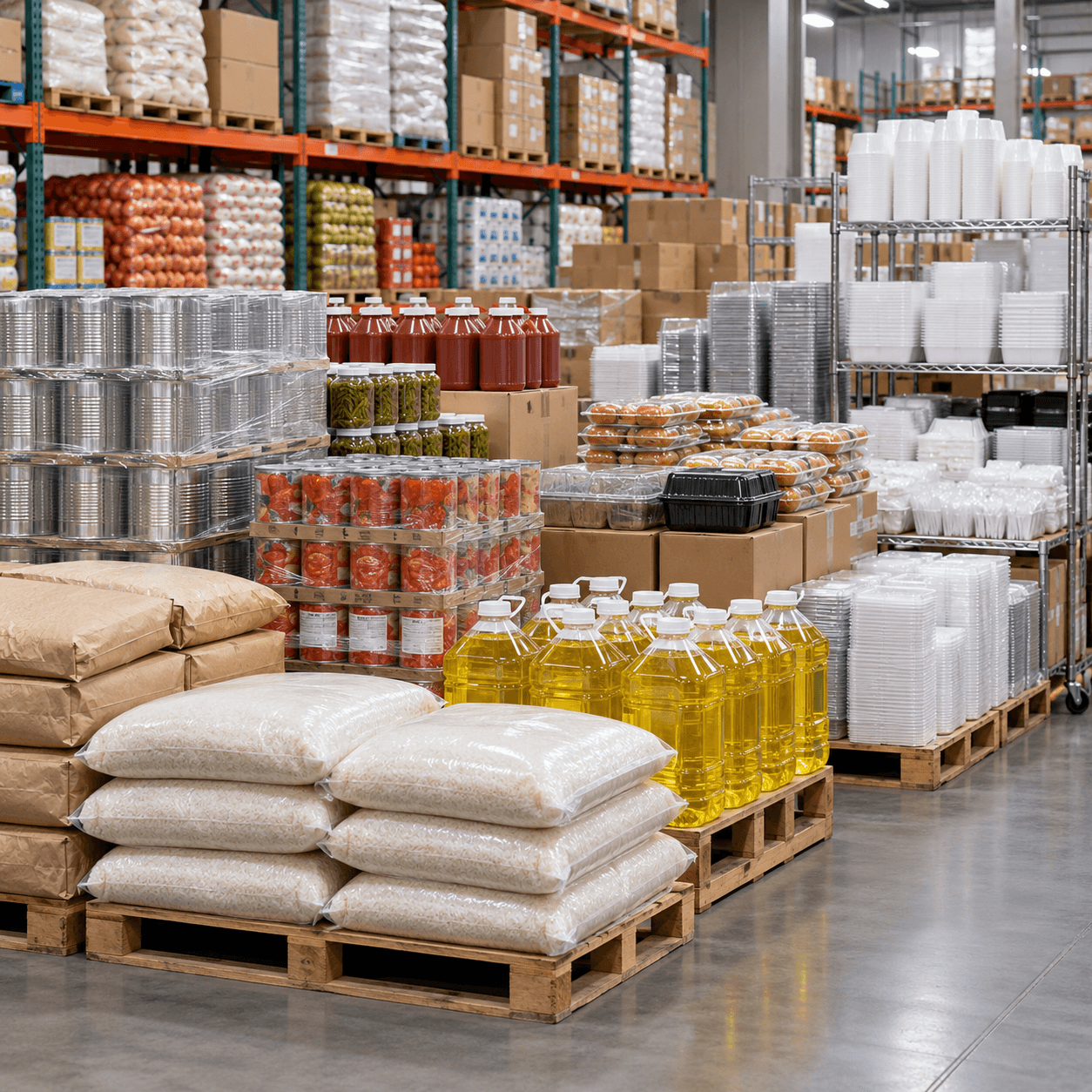
Companies supplying hotels, restaurants, cafeterias, airlines, and institutional food programs use Business Central for high-volume order processing, menu-driven demand planning, multi-location distribution, customer-specific packaging, and contract-based pricing with scheduled deliveries.
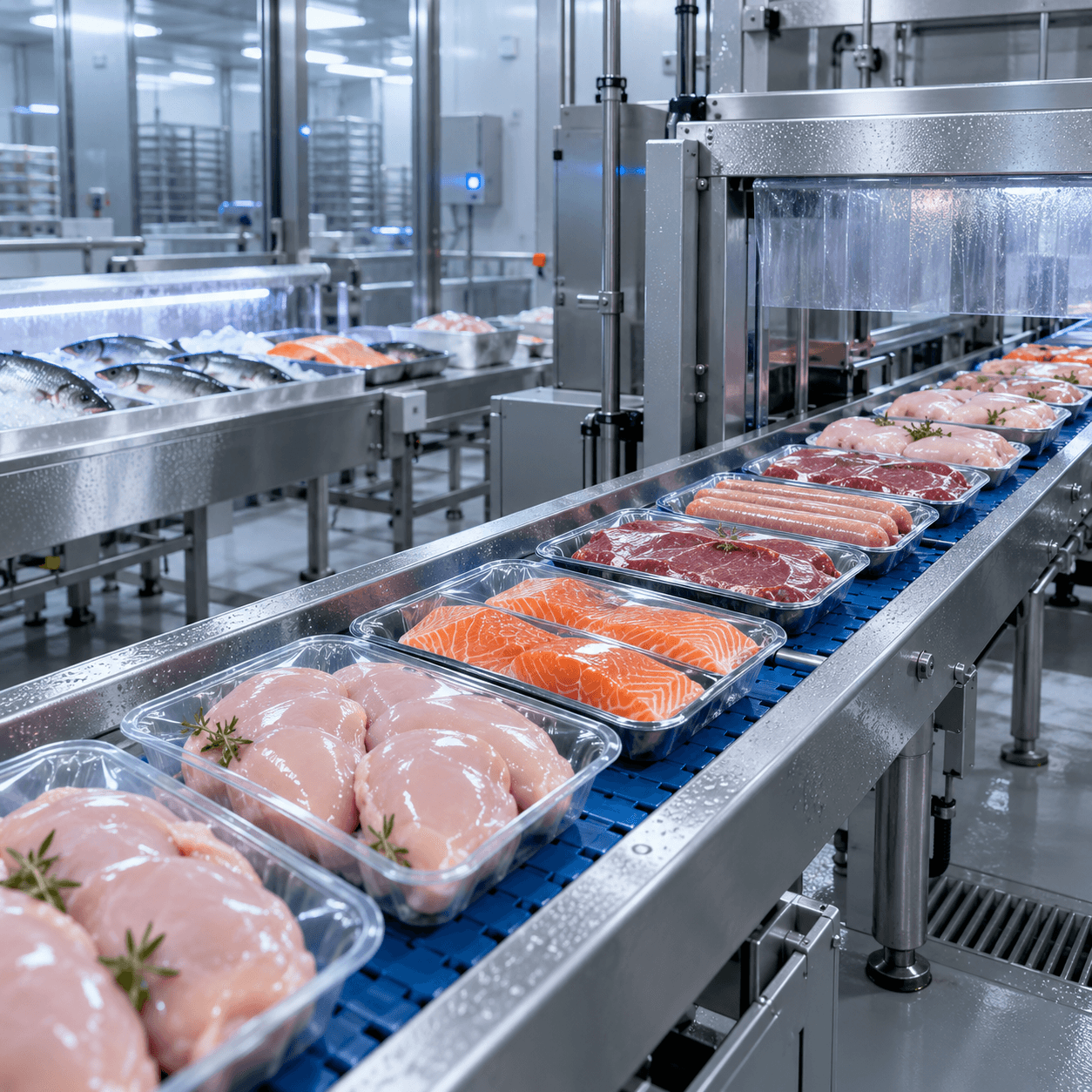
Processors handling fresh and frozen proteins use Business Central for catch weight management (products sold by weight but inventoried by unit), cold chain tracking, regulatory lot traceability, production yield analysis, and compliance with meat and seafood inspection requirements. ISV extensions on AppSource add deeper catch weight handling and variable-weight invoicing.
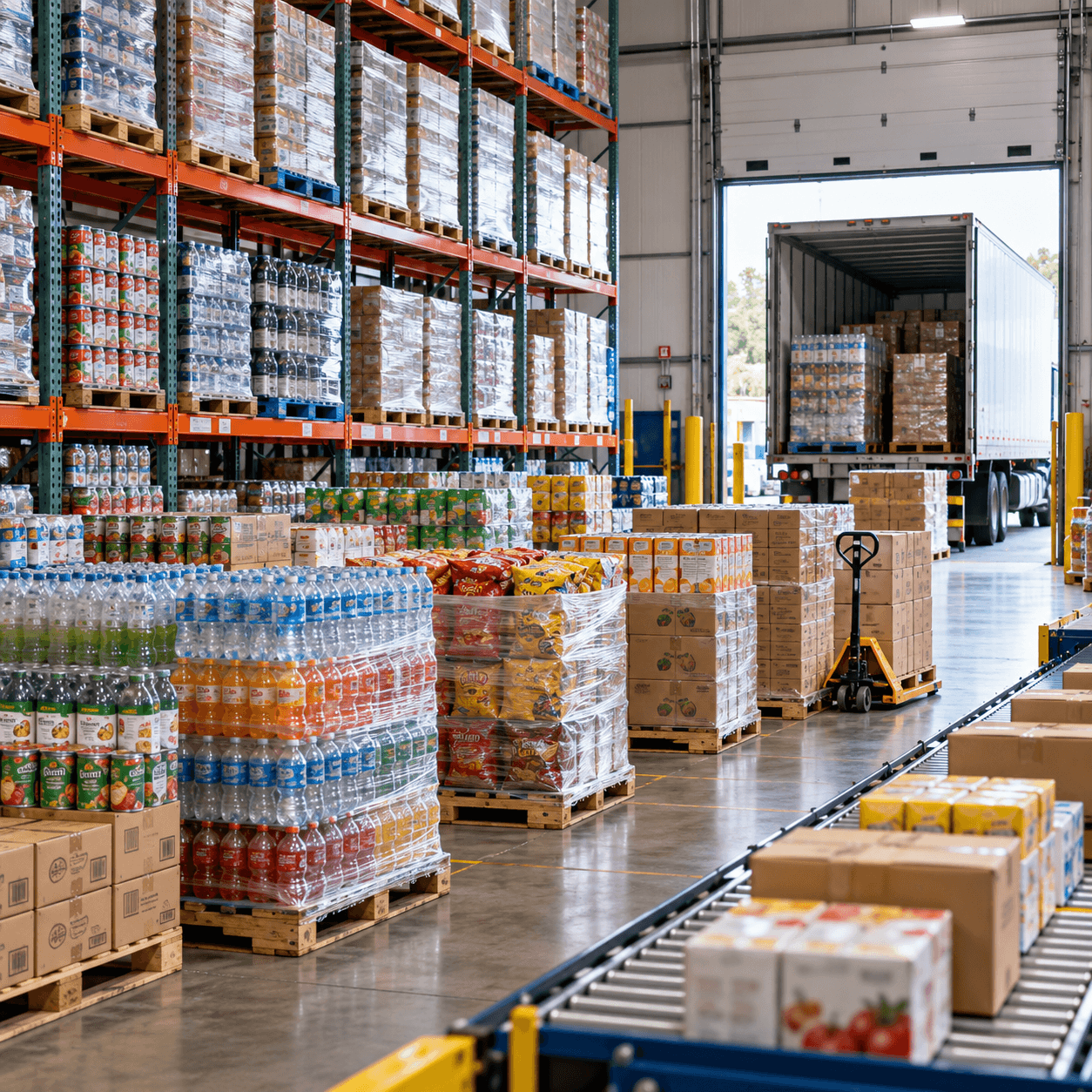
Distributors and wholesalers moving food and beverage products from manufacturers to retail, food service, and institutional customers use Business Central for multi-warehouse inventory management, FIFO/FEFO stock rotation, shelf-life monitoring, route-based delivery management, and cold chain compliance documentation.
Food manufacturing is recipe-driven, not assembly-driven. Business Central's production module handles this distinction through production BOMs that function as recipes, batch-based production orders, and yield tracking that accounts for the variability inherent in food production.
In food and beverage, traceability is not a nice-to-have feature. It is a regulatory requirement and a business survival tool. A single contamination event or allergen incident can trigger a recall that damages brand trust and costs millions. Business Central's item tracking system provides the lot-level traceability that food companies need to respond to these events within hours, not days.
Food and beverage inventory management is fundamentally different from general distribution. Products expire, require temperature-controlled storage, and must be rotated based on shelf-life rather than receipt date. Business Central handles these requirements natively.
Food and beverage procurement is driven by ingredient availability, quality consistency, seasonal pricing, and supplier compliance with food safety certifications. Business Central connects purchasing to production and quality so procurement decisions are based on real demand and supplier performance data.
Food and beverage companies operate under some of the most stringent regulatory frameworks of any industry. The specific requirements vary by market, but the core obligation is the same: prove that every product is safe, accurately labeled, and fully traceable from ingredient to consumer. Business Central provides the traceability, quality management, and documentation framework to meet these requirements:
FSMA 204 requires food manufacturers and distributors to maintain Key Data Elements at Critical Tracking Events across the supply chain. Business Central's lot tracking system records these data points as ingredients are received, consumed in production, and shipped. Forward and backward traceability reports can be generated within the timeframes regulators require.
Food manufacturers and distributors operating in India must comply with FSSAI licensing, labeling, and traceability requirements. Business Central's lot tracking, production order documentation, and quality inspection records support FSSAI audit readiness. India localization handles GST, TDS/TCS, and e-invoicing requirements.
Manufacturers selling into the European market comply with EU General Food Law traceability requirements. Business Central's lot genealogy supports the 'one step back, one step forward' traceability mandate and provides the documentation trail for EU food safety audits.
Business Central's quality management features support HACCP (Hazard Analysis and Critical Control Points) documentation by recording quality checks at critical control points throughout production. Inspection results, corrective actions, and non-conformance reports maintain the documentation trail HACCP audits require.
Food safety certification audits evaluate traceability speed, quality record completeness, supplier compliance documentation, and recall procedures. Business Central provides the underlying data infrastructure: lot traceability, quality inspection records, supplier certificate tracking, and recall response workflows that auditors assess.
Ingredient-level allergen data supports compliance with allergen declaration requirements across jurisdictions (FDA allergen labeling in the US, EU FIC regulations, FSSAI labeling rules in India). ISV extensions add deeper nutritional analysis and regulatory label generation.
Track halal and kosher certification status per ingredient and finished product. Maintain certification documentation and audit trails for products requiring religious dietary compliance.
Business Central embeds AI directly into food and beverage workflows through two layers. Copilot works alongside your production planners, quality managers, and finance teams, surfacing insights and accelerating tasks inside the screens they already use. AI agents handle repetitive document processing through configurable automation with approval workflows, reducing manual data entry without removing human review from the process.
Copilot generates AI-powered summaries for inventory items, highlighting stock approaching expiry, slow-moving products at risk of write-off, reorder urgency based on production demand, and supply risks from delayed supplier shipments.
Ask Copilot questions in plain English: "which batches had yield below 95% this week," "show me ingredients expiring in the next 30 days," or "what is our waste rate by product line this month." Answers come instantly without building reports.
Copilot projects future cash positions based on open receivables, payables, pending purchase orders, and seasonal buying patterns. For food companies managing cash flow through peak and off-peak production cycles, this provides the liquidity visibility that spreadsheets cannot match.
Reads incoming supplier invoices from email, matches them against open purchase orders and goods receipts, and creates draft purchase invoices for AP review. Food companies processing high volumes of ingredient supplier invoices can handle them with minimal manual intervention.
Monitors incoming customer order emails, extracts item details, quantities, and delivery requirements, matches against inventory availability and customer pricing, and creates draft sales orders for review. Accelerates order processing for food distributors with high inbound order volumes.
Business Central's MCP server lets food companies connect external AI tools directly to their ERP data. Build custom agents tailored to your operations: a shelf-life optimizer that recommends production batch sizes based on demand forecasts and expiry windows, a supplier quality scorer that evaluates ingredient suppliers by inspection pass rates and delivery reliability, or a waste reduction agent that flags product lines with rising spoilage trends.
Choosing the right implementation partner determines whether your Business Central investment delivers results or becomes another stalled project. Alletec is an AI-first, full-stack Microsoft partner with proven experience in food and beverage ERP implementations across manufacturing and distribution.

Alletec has earned Microsoft Solution Partner Designation in all 6 solution areas validating full stack expertise across Business Applications, Data & AI, Azure Infrastructure, Digital & App Innovation, Modern Work, and Security.

Alletec is in the top 1% of Microsoft partners globally, with direct access to Microsoft engineering teams, early product roadmap visibility, and priority support escalation.

Structured deployment methodology that accelerates go-live, reduces risk, and ensures solutions are built on proven architectural patterns.

Proven implementations across packaged food, beverages, dairy, spices, bakery, food service, and food distribution. Alletec's consultants understand recipe-based production, batch traceability, shelf-life management, and the compliance requirements that generic ERP implementers miss.

Every engagement includes AI readiness assessment, Copilot configuration, and data architecture for AI workloads. Your Business Central goes live with AI active.
Book a free consultation to see Business Central in action with your food and beverage workflows. Our F&B and Business Central experts will walk you through a tailored demo, help map your production and distribution operations to the platform, and identify where AI agents and Copilot can automate the work that slows your teams down today.